The Allure of Chance and Uncertainty
The unpredictability of casino games draws players in like a moth to a flame. This allure stems from the psychological thrill of not knowing what will happen next. Every spin of the roulette wheel or shuffle of the cards represents an opportunity that can lead to unexpected rewards. This element of chance triggers the brain’s reward system, releasing dopamine—a neurotransmitter associated with pleasure and satisfaction. Players interested in maximizing their experience often consider the latest nrl betting odds as they chase the high of potential winnings, captivated by the excitement and anticipation of each play, often returning for more in search of that euphoric feeling.
Additionally, cognitive biases such as the gambler’s fallacy come into play, influencing how players perceive their chances of winning. Many believe that after a series of losses, a win is “due,” which can lead to extended playtime. This misjudgment of probability creates a cycle of hope and frustration, driving players back to the tables. The combination of these psychological factors creates a powerful pull, causing gamers to engage repeatedly in hopes of finally hitting that elusive jackpot. This cycle of belief can be incredibly powerful, reinforcing the idea that persistence can eventually lead to success.
Moreover, the design and environment of casinos amplify these psychological effects. Bright lights, engaging sounds, and the presence of other enthusiastic players enhance the thrill of the chance. The ambiance is intentionally crafted to create a sense of euphoria that can keep individuals glued to their seats. The use of sensory stimulation, such as the sound of coins clinking or celebratory music playing after a win, adds to the excitement and encourages players to stay longer. Thus, the combination of chance, cognitive biases, and a stimulating environment all contribute to why so many feel compelled to return time and again.
The Role of Social Interaction
Social dynamics play a significant role in the appeal of casino games. Many individuals are drawn to casinos not just for the games themselves, but also for the social interaction that accompanies them. Engaging with fellow players fosters a sense of camaraderie and shared experience, creating a social environment that heightens the enjoyment of the game. The laughter, cheers, and collective tension experienced during crucial moments can create lasting memories, making the experience much more rewarding. This shared excitement can act as a social lubricant, enhancing bonds and creating a sense of community among players.
Additionally, social pressure can influence players to keep returning. People often feel a sense of belonging when they regularly visit casinos with friends or family. This shared activity not only enhances the experience of the games but also strengthens relationships. The thrill of gambling becomes intertwined with social bonding, making the act of returning to the casino about more than just money; it’s also about maintaining those connections. The social aspect of gambling can be a compelling reason for players to return, as they seek to relive these moments with their companions.
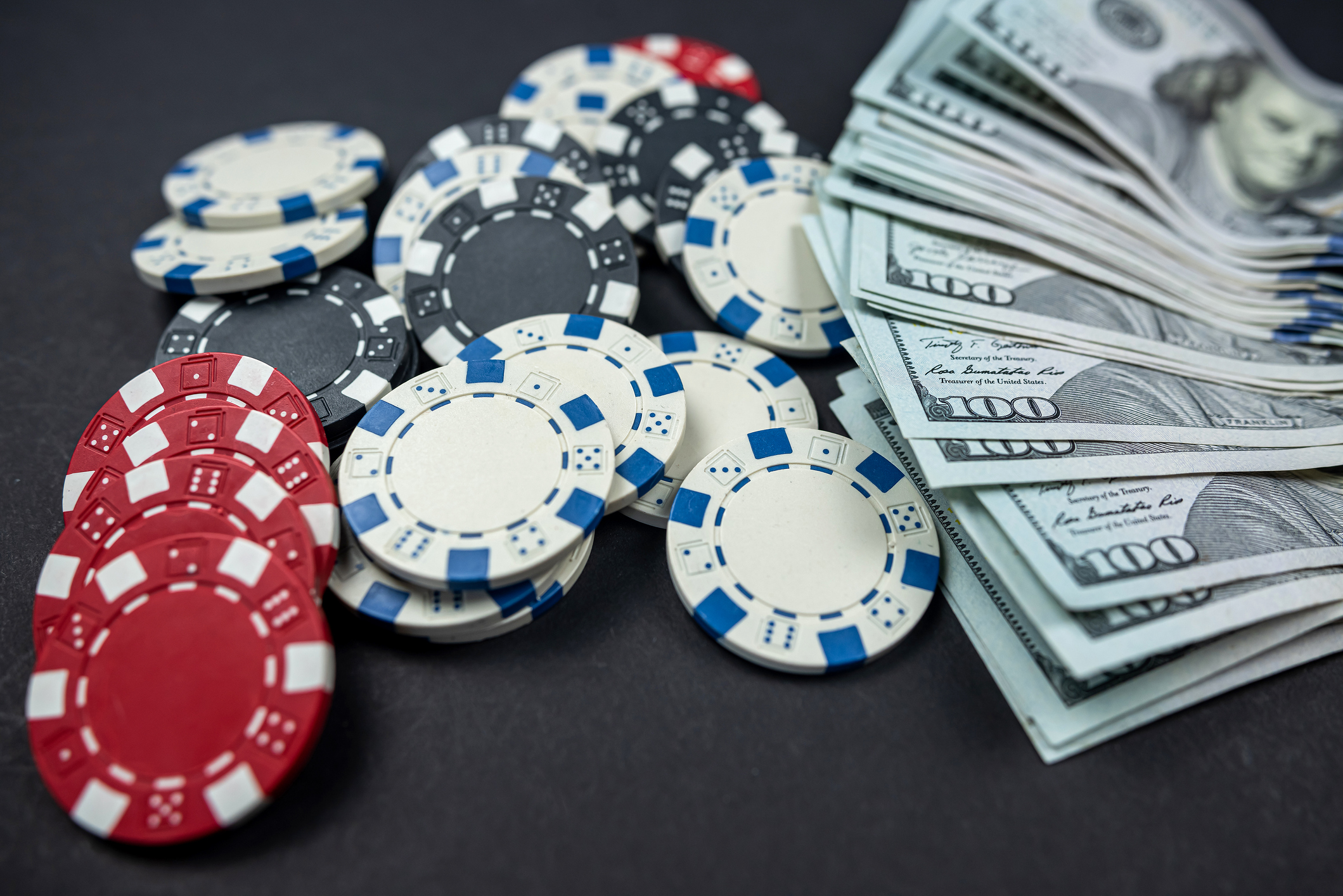
Furthermore, some casinos offer loyalty programs and tournaments that enhance social engagement by fostering competition among players. These events tap into the natural human instinct for competition, making the gambling experience more enjoyable. The communal aspect of casino gaming, where players cheer each other on, creates an inclusive atmosphere that beckons players to return, highlighting how psychological and social factors work hand in hand in this environment. This blend of competition and camaraderie can be a powerful incentive for players to visit casinos regularly, as they look to improve their skills and enjoy the company of their peers.
The Emotional Rollercoaster of Winning and Losing
The emotional highs and lows experienced while playing casino games are pivotal in keeping players engaged. Winning provides an adrenaline rush that can lead to increased motivation to return for more. However, it’s the combination of winning and losing that fuels players’ emotional investment. Players often recount stories of big wins, which reinforce positive associations with gambling, leading to a heightened desire to recreate those moments. This cycle of emotional highs can be addictive, as players yearn for that exhilarating feeling of success.
Conversely, the sting of losing can be just as compelling. The emotional fallout from a loss often spurs a desire to reclaim what was lost, creating a cycle where players return in hopes of redemption. This “chasing losses” mentality feeds into the psychological mechanism of addiction as players become more focused on reversing their fortunes rather than enjoying the game itself. The emotional complexities of winning and losing serve to deepen the involvement players have with casino activities, leading them to rationalize their continued play despite previous setbacks.
Moreover, these emotional experiences are often exacerbated by the environment within casinos. The strategic use of lights, music, and the presence of other players amplify emotions, creating an immersive experience. Gamblers might find themselves caught up in the ambiance, disregarding the reality of their financial situation and focusing solely on the thrill of the game. This heightened emotional engagement can encourage continued play and, consequently, repeated visits. The cycle of emotional investment, where players remember their wins while pushing aside losses, creates a powerful draw that keeps them coming back.
The Mechanics of Game Design
Casino games are expertly designed to maximize engagement and player retention. Developers employ psychological tricks grounded in behavioral economics to create addictive gameplay mechanics. For instance, slot machines are programmed with near-miss outcomes, where players come tantalizingly close to winning, experiencing a rush of excitement that encourages them to play again. This phenomenon, known as “losses disguised as wins,” reinforces a false sense of hope among players, making them more likely to continue playing despite losses.

Additionally, the concept of variable rewards plays a crucial role in player retention. Unlike traditional fixed rewards, variable rewards—where the timing and size of wins are unpredictable—keep players on edge, compelling them to continue playing. This uncertainty creates sustained engagement as players seek that next big win. The more players experience these variable rewards, the more they become emotionally invested in the outcome. This psychological strategy is effective in maintaining a player’s interest, as they remain hopeful for the next win that could change everything.
Furthermore, the visual and auditory elements of casino games are meticulously crafted to enhance player experience. Eye-catching designs and engaging sound effects contribute to an immersive playing environment that captivates players. These elements are not merely for aesthetics; they serve to deepen emotional investments, further compelling players to return to their favorite games. The intersection of psychology and game design showcases just how thoughtfully constructed these entertainment experiences are to ensure players keep coming back, highlighting the intricate relationship between game mechanics and human behavior.
Understanding the Online Casino Landscape
The rise of online gaming has expanded the reach of casino games, creating new pathways for psychological engagement in digital spaces. Players can access a plethora of games from the comfort of their homes, making it easier than ever to indulge in gambling behavior. The convenience of online platforms combined with targeted promotional strategies enhances their appeal while tapping into the same psychological triggers found in physical casinos. This accessibility allows players to engage with their favorite games at any time, further reinforcing their habits.
Online casinos employ techniques to foster a sense of community, even in a digital environment. Live dealer games, for example, simulate the experience of being in a physical casino—a blend of personal interaction and gameplay that resonates with players. This approach builds social connectivity, encouraging individuals to return more regularly to engage with the online community. The ability to chat with dealers and fellow players adds a layer of social interaction that enhances the gaming experience, making it feel less isolating than traditional online gaming.
Additionally, personalized gaming experiences through tailored advertisements and gamification elements keep players engaged. Many platforms utilize data analytics to understand player behavior, allowing them to deliver customized offers and promotions that resonate. This level of personalization enhances loyalty, as players feel a deeper connection to the games they play and the platforms they choose. The online landscape not only replicates physical casino dynamics but also innovates on them, creating even more compelling reasons for players to keep returning. This ongoing adaptation ensures that online casinos remain relevant and appealing in an ever-evolving entertainment landscape.